Choosing between aluminum and wood-clad windows is one of the most significant decisions facing Canadian homeowners. Both materials offer compelling advantages, and the right choice depends on your home's architectural style, your maintenance preferences, and your performance priorities.
Aluminum Windows: The Modern Performance Standard
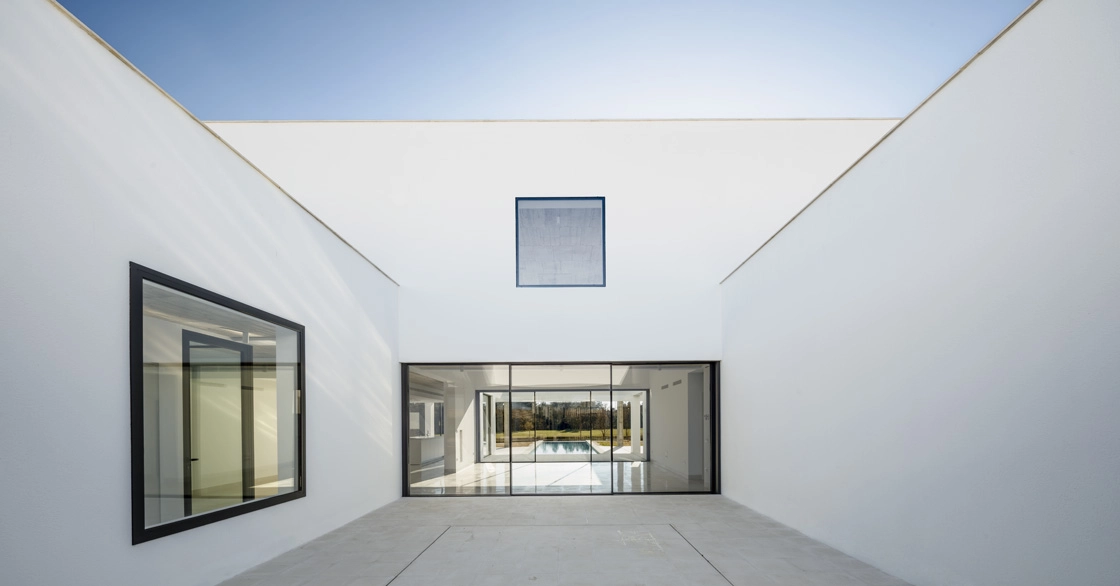
Contemporary thermally broken aluminum systems from manufacturers like Schüco, Reynaers, and Cortizo have revolutionized the window industry. These profiles feature an internal polyamide thermal break that prevents cold transfer through the frame, achieving thermal performance comparable to wood while offering dramatically slimmer sightlines.
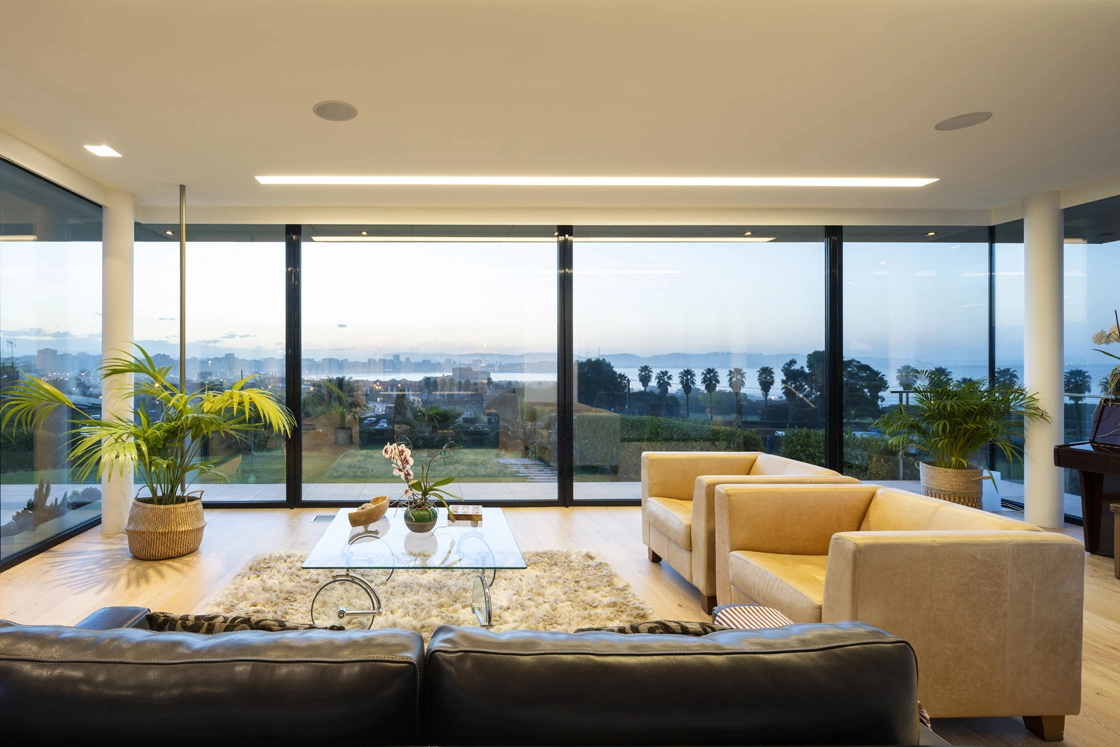
Schüco's AWS 75 SI+ system, for example, achieves a frame U-value of 1.3 W/m²K while maintaining visible sightlines of just 118mm. This means more glass, more light, and more view — a critical advantage for modern architectural designs that prioritize connection with the outdoors.
Maintenance requirements are minimal. Powder-coated aluminum resists UV degradation, corrosion, and impact damage. Annual cleaning with mild soap and water is typically all that's required to maintain the finish for decades. Aluminum frames won't warp, rot, swell, or attract insects.
Wood-Clad Windows: Warmth Meets Durability
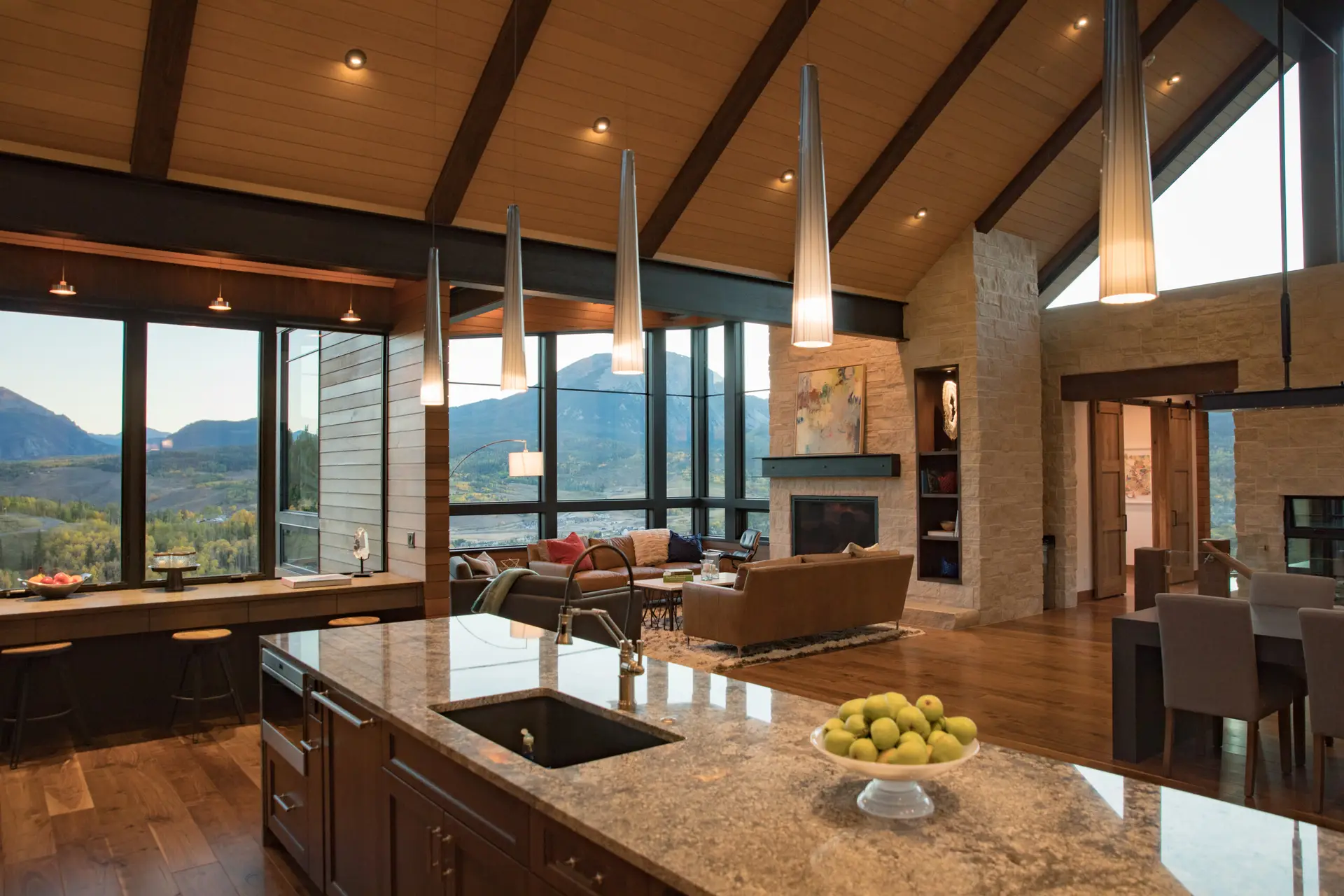
Wood-clad systems like those from Weather Shield offer the best of both worlds: the natural warmth and character of wood on the interior with weather-resistant aluminum cladding on the exterior. The wood interior can be stained or painted to match any décor, creating a warm, traditional aesthetic that aluminum simply cannot replicate.
Weather Shield's Premium Series features kiln-dried pine or Douglas fir interiors with extruded aluminum exteriors available in numerous powder-coated finishes. The wood provides natural insulation, and the aluminum cladding eliminates exterior maintenance concerns.
Performance Comparison
In terms of raw thermal performance, both materials achieve similar U-values when properly specified. However, aluminum systems offer superior air infiltration resistance due to the precision of metal-to-metal contact points. Wood-clad systems provide marginally better acoustic insulation due to wood's natural sound-dampening properties.
For structural performance, aluminum excels with large-format openings. Floor-to-ceiling windows and curtain wall applications are aluminum's natural domain, where its strength-to-weight ratio allows spans that would require substantially bulkier wood profiles.
Making Your Decision
At Opulence Systems, we carry both premium aluminum and wood-clad systems. Our design consultants help you evaluate both options in the context of your specific project, ensuring you make the choice that best serves your aesthetic vision, performance requirements, and long-term satisfaction.